10 rules of golf etiquette
Copying someone’s work could violate copyright laws, and lying about someone’s actions could harm their reputation or be considered libelous. On a personal level, you could alienate yourself from friends, family members, or colleagues because of something you’ve written https://activepatience.com/.
Continue to make real people a priority while in public places such as restaurants, public transit, stores, elevators, and libraries. You can do this by not having phone conversations when in these shared spaces, as well as by silencing your audible notifications.
On the internet, as in real life, some people have more power than others. Moderators in a forum, experts in companies or system administrators. If you have more power than others, you do not have the right to exploit this power.
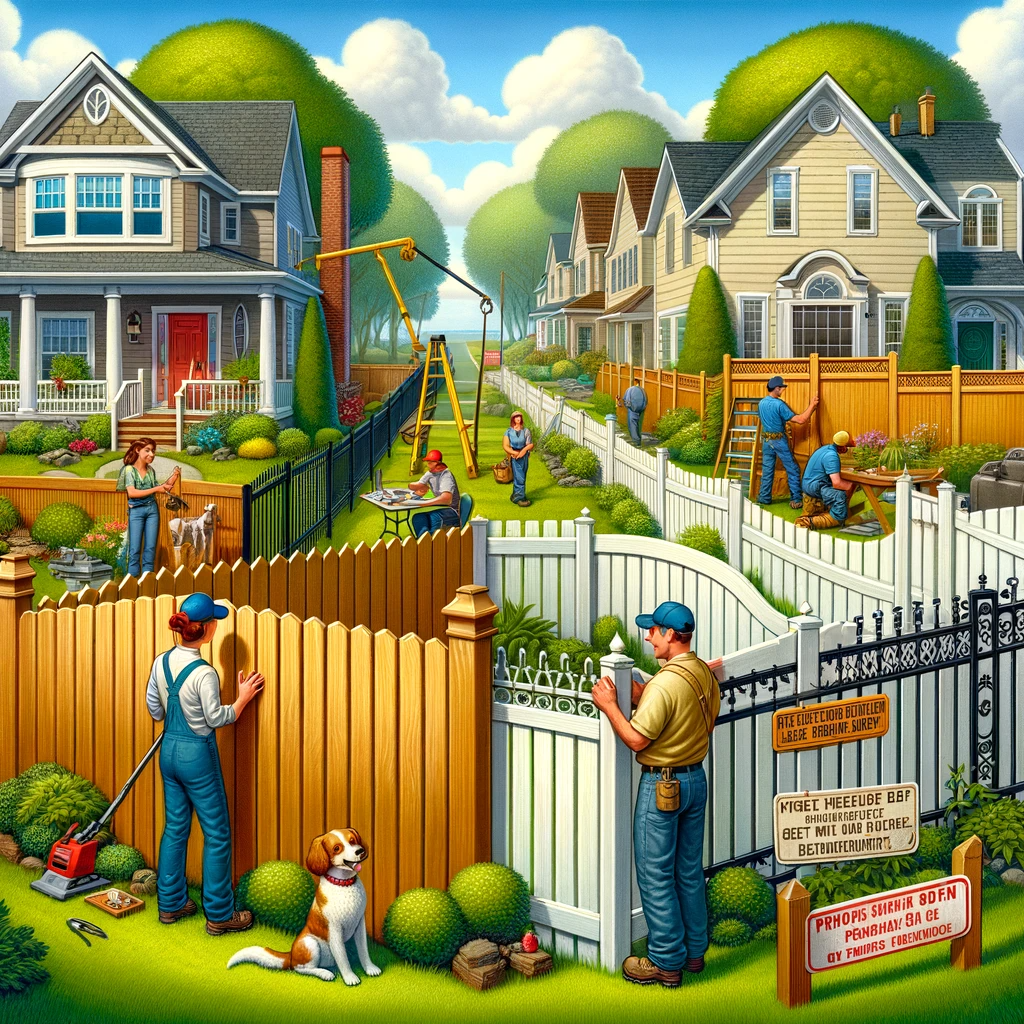
Rules of fence etiquette
Now here’s where things can get downright sticky. Who gets the more attractive side of the fence? Gottsman says it might be a good bargaining chip if you need to smooth over some ruffled feathers. “If you are really struggling with a neighborly fence feud, you may want to offer them the smooth side of the fence, which is considered to be most attractive. It’s fence etiquette to give your neighbor, on the facing street, the best side of the fence (much like handing someone a pair of scissors with the blade facing yourself) and the structural side with the posts facing you.”
Talking to your neighbors about changes you plan to make to your property can be nerve-wracking, but Gottsman advises keeping it simple. “Have a friendly conversation, letting your neighbors know of your plans,” she says. If you’re dealing with a tricky situation like a tree on a fence line, this is a great time to hash out details and ask questions. “In my personal case, my neighbor’s huge tree was on my fence line and he asked if we could ‘cut into’ the fence so the tree would not have to be removed or altered.” Gottsman okayed it, though it later came at a price—a “V” cut into the fence once the neighbor in question decided to remove the tree. “The lesson here is not to be afraid to ask questions—on both sides of the fence situation,” the etiquette expert advises.
Even if you follow the proper steps before installing your fence, you may still have unhappy neighbors. Gottsman advises listening to and considering your neighbors’ concerns. Your HOA, local permits, and business codes, and sometimes even other neighbors, might be able to clarify the situation.
Many fences have “finished” and “unfinished” sides. The unfinished side has the bracing and supports, the finished “good” side looks nice and clean. The good side should always face your neighbor. Alternatively, you can find fences that are finished on both sides (sometimes called “good neighbor” fences) to avoid the issue altogether. Although this means you won’t have control over what happens to the “nice” side of the fence, this is simple courtesy, and doing so can avoid bad blood.
Before dreaming up your ideal fence, it’s crucial to acquaint yourself with Oklahoma’s local zoning laws and fence regulations. These rules dictate everything from how high your fence can be to the materials you may use. Ignorance of these laws can lead to costly legal battles or the need to tear down your beautiful new fence.
10 golden rules of email etiquette
The first and most important email etiquette is to avoid vague subject lines. That’s the foremost thing that your viewers see, and they don’t want to be flooded with subject lines that give a vague representation of what’s in the email content.
Use “To” for action, “Cc” for awareness: If someone is listed in the “To” field, they’re expected to take action or respond. Those in the “Cc” field are there to stay informed but not necessarily reply. Misusing these tags is one of the most common mistakes I’ve seen.
Similar to CC, hitting the reply all option is an equally troublesome situation. Think about it – you are in an email conversation with 20 people. If one person keeps sending a reply all email, you are trapped in a conversation which is not really related to you.
While email is not the most significant aspect of a business, Adobe Systems recently found that workers spend almost 30 hours a week just checking emails, which excludes the time invested in reading and responding to those emails.